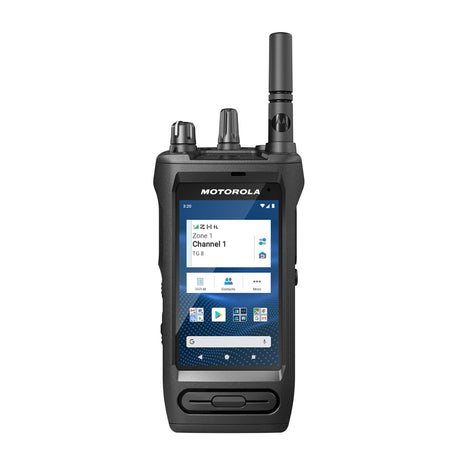
Built for Hazardous Environments
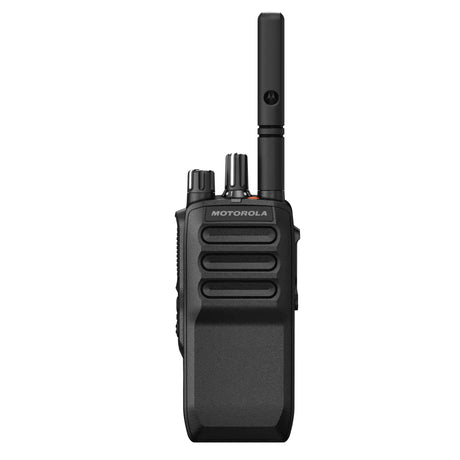
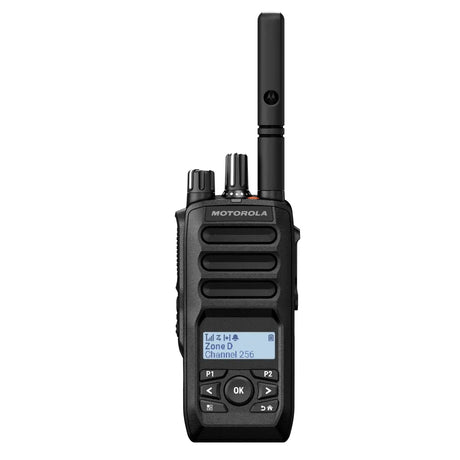
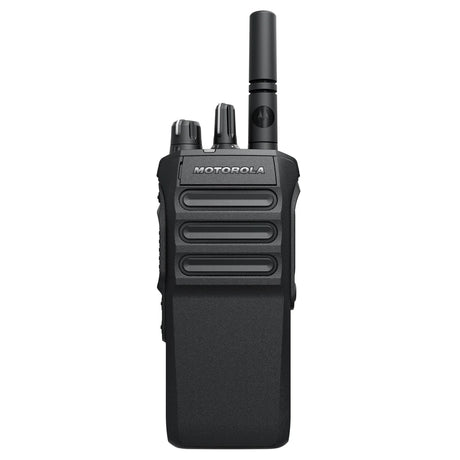
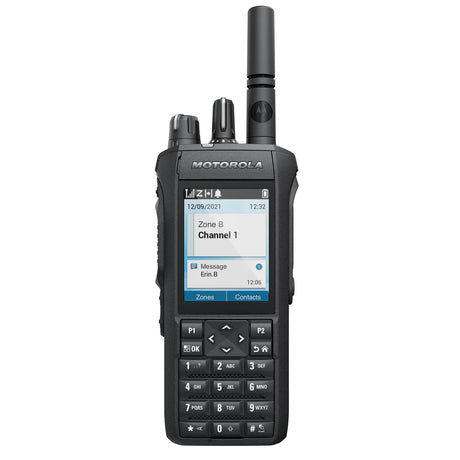
Motorola intrinsically safe radios are engineered for flammable and explosive atmospheres - certified so they cannot release enough energy to ignite gases, vapors, or dust. R5, R7, and Ion models are available in UL/TIA-4950 certified variants that keep crews connected in oil, gas, chemical, grain, and utility operations without sacrificing audio clarity, range, or durability.
Compare Intrinsically Safe Radios
| Series | Certification | Best For |
|---|
| R5 IS | UL TIA-4950 | Industrial & utility crews |
| R7 IS | UL TIA-4950 | Oil, gas & hazmat teams |
| MOTOTRBO Ion IS | UL TIA-4950 | Connected hazardous-area teams |
Where Intrinsically Safe Radios Are Required
- Oil & gas: refineries, rigs, and pipelines where flammable vapors are present.
- Chemical & pharma: plants handling volatile compounds and solvents.
- Grain & agriculture: elevators and silos where combustible dust is a hazard.
- Utilities & mining: energy and extraction sites with explosive-atmosphere zones.
Frequently Asked Questions
What does 'intrinsically safe' mean?
Intrinsically safe radios are designed so they can't release enough energy to ignite flammable gases, vapors, or dust - essential for oil, gas, and chemical sites.
Are these radios UL certified?
These models are available in UL TIA-4950 intrinsically safe variants; tell us the exact rating you need and we'll match the right SKU.
Is an intrinsically safe radio the same as a regular radio?
No - IS radios use specially controlled circuitry and batteries certified for hazardous areas, even though they look similar to standard models.
Can I use the same accessories on an IS radio?
Only accessories rated and approved for intrinsically safe use should be paired with these radios to maintain certification - we'll confirm compatible options.
Do intrinsically safe radios need an FCC license?
Yes - the LMR models operate on licensed business frequencies, and we handle the FCC licensing as part of your order.