Size the fleet
Estimate radios by campus type and assign them by role rather than by individual employee.
Over 25 YEARS in the Two-Way Radio Industry!

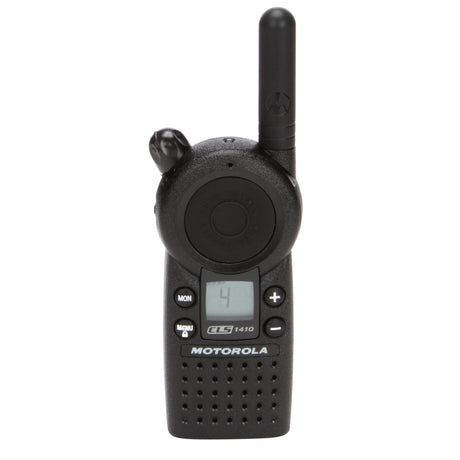
On a tight budget or outfitting a daycare? Shop license-free CLS radios and pick the model that fits.
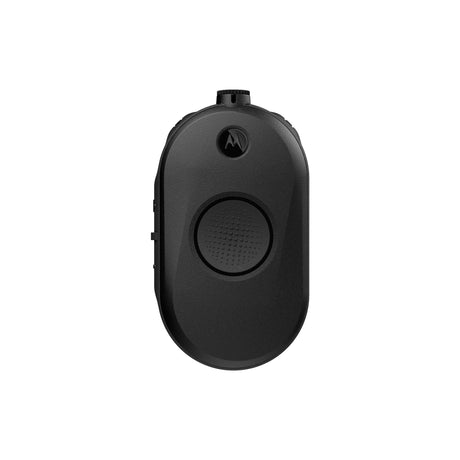
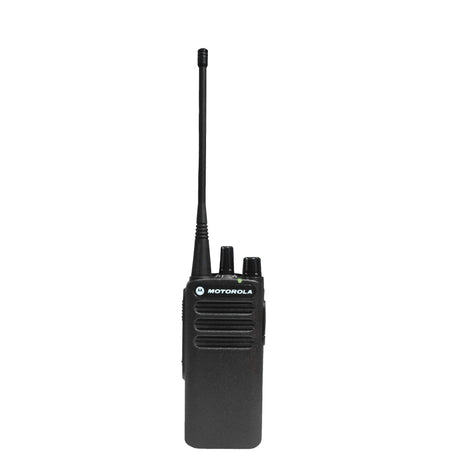
Motorola CP100d Non-Display Radio
Best forTeachers and administrators
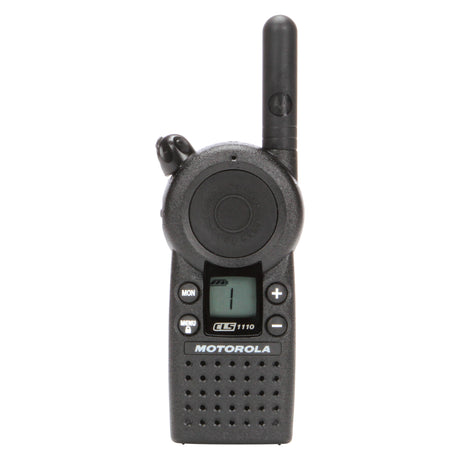
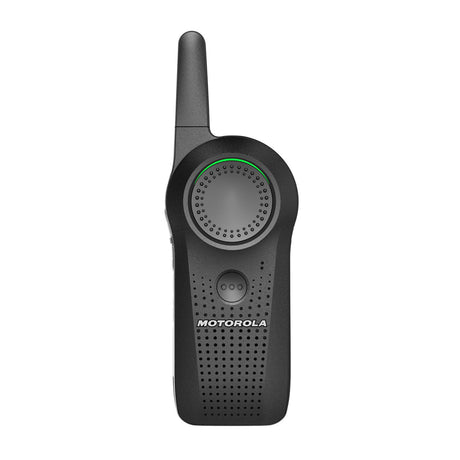
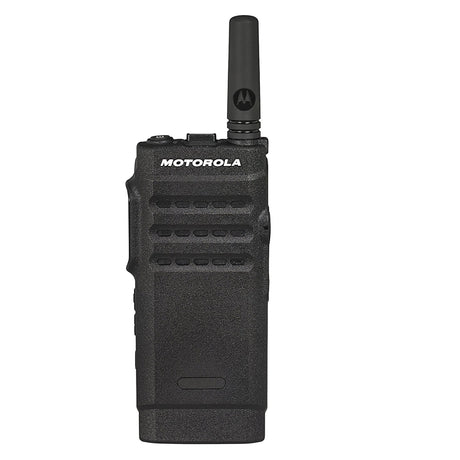
Best forAdministrators and event staff
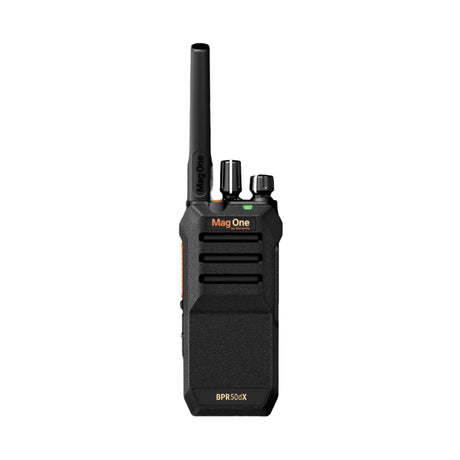
Start with who carries the radio and where they work. For a mixed fleet, we will program every model to work together.
| Radio | Best for | Coverage | Licensing |
|---|---|---|---|
| BPR50dX | Daycare and general staff | On-site UHF/VHF | FCC Part 90 |
| CP100d Non-Display Radio | Teachers and administrators | On-site UHF/VHF | FCC Part 90 |
| R2 Two-Way Radios | Security and maintenance | On-site UHF/VHF | FCC Part 90 |
| SL300 Non Display | Administrators and event staff | On-site UHF/VHF | FCC Part 90 |
| R5 Digital Two-Way Radio | High-demand security teams | On-site or repeater system | FCC Part 90 |
| TLK110 Radio | Multi-campus districts | Nationwide LTE | No radio license; service plan required |
| TLK150 Mobile Radio | Buses and district vehicles | Nationwide LTE | No radio license; service plan required |
Fleet planning noteSchools often use more than one model: simple radios for general staff, rugged radios for security and maintenance, and LTE radios for buses or district-wide communication.

Gyms, concrete stairwells, portables, boiler rooms, and distant athletic fields are the places handheld coverage usually fails. TWRG can design the full system—from FCC licensing and programming through repeaters and installation.
The full guide covers fleet sizing, FCC licensing, channel planning, dead zones, emergency use, buses, and day-to-day radio management.
Estimate radios by campus type and assign them by role rather than by individual employee.
Understand which models require an FCC Part 90 license and start from a practical school channel plan.
Identify repeater dead zones and decide when LTE radios make sense for vehicles or multiple campuses.
The Motorola CP100d is a strong fit for teachers and administrators. The Motorola R2 is better suited to security and maintenance staff who work outdoors. The right fleet depends on campus size, buildings, channels, and whether buses or multiple sites must stay connected.
UHF and VHF business radios such as the BPR50dX, CP100d, SL300, R2, and R5 generally require an FCC Part 90 license. TWRG can handle the application and programming. TLK110 and TLK150 radios communicate over a subscription network and do not require a radio license.
Yes. TLK110 handhelds and TLK150 vehicle radios use nationwide LTE push-to-talk service, allowing schools, district offices, and buses to communicate without installing a repeater at every site.
Gyms, stairwells, basements, boiler rooms, portable classrooms, and distant athletic fields are common trouble spots. A coverage review can determine whether better placement, different radios, or a repeater system is the right fix.
Compatible UHF or VHF models can often be programmed to share channels, while TLK LTE radios operate through WAVE PTX. Tell us what your school already owns and we will confirm compatibility before recommending additions.
Send us your building count, staff roles, coverage concerns, and existing radio models. We will build a practical fleet recommendation.
Your monthly cost